

When — perhaps we should say “if” — people think of the President’s Emergency Plan for AIDS Relief, known as PEPFAR, they generally focus on its historic achievements in curbing the worldwide spread of AIDS.
This is no small feat. In the 21 years since President George W. Bush created the program, PEPFAR has saved the lives of 26 million men, women, and children and has allowed 7.8 million babies to be born HIV-free. But equally important is PEPFAR’s role as one of the world’s premier socio-economic support programs for children.
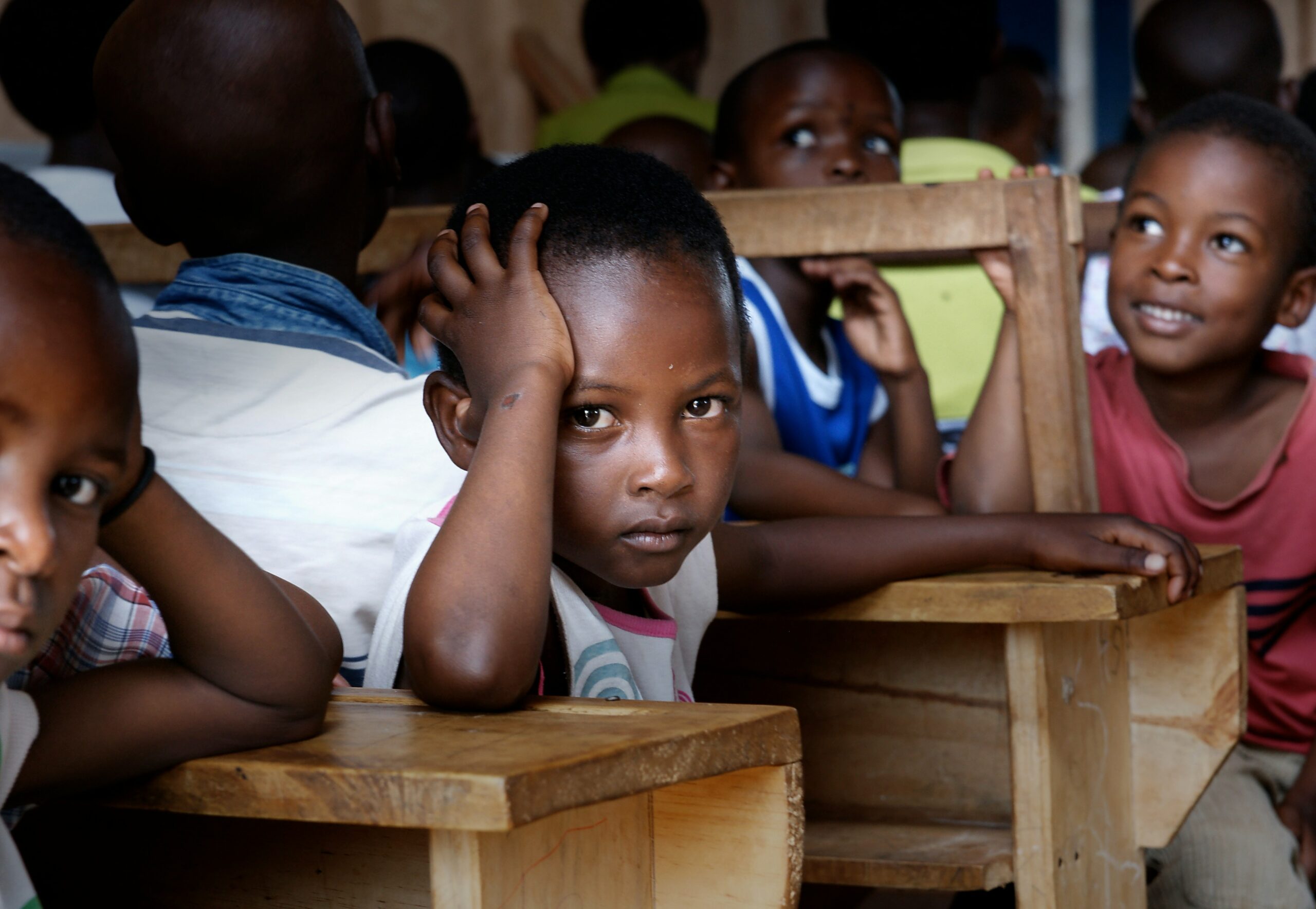
As currently structured, PEPFAR dedicates 10% of its funding to the care and support of orphans and other children made vulnerable by AIDS, often referred to as “OVCs.” These dollars play a key role in finding HIV-positive children, getting them tested, and helping them adhere to treatment regimens. The funding also ensures that these children enjoy good nutrition, access to school and psychosocial support, and that their caregivers can access savings and livelihood programs to keep the family fed, housed and safe. This so-called “OVC set aside” currently supports 6.6 million orphans and vulnerable children and their caregivers.
And it is under threat.
For more than 20 years, Congress regularly reauthorized PEPFAR every five years. But last year things changed. After months of wrangling with misinformation, Congress finally provided a shortened authorization taking the program only to March 2025.
Disruptions in PEPFAR’s reauthorization put its myriad successes at risk. And that includes its work with orphans and vulnerable children whose numbers continue to grow. Thanks to PEPFAR, AIDS is no longer a death sentence on the African continent. But more than 14 million children still need the care and support provided by the OVC set aside.
Congress must protect these children by passing a clean, five-year reauthorization of PEPFAR before it expires in March 2025. Lawmakers also must fully fund the program in next year’s annual appropriations process.
This is what children need.