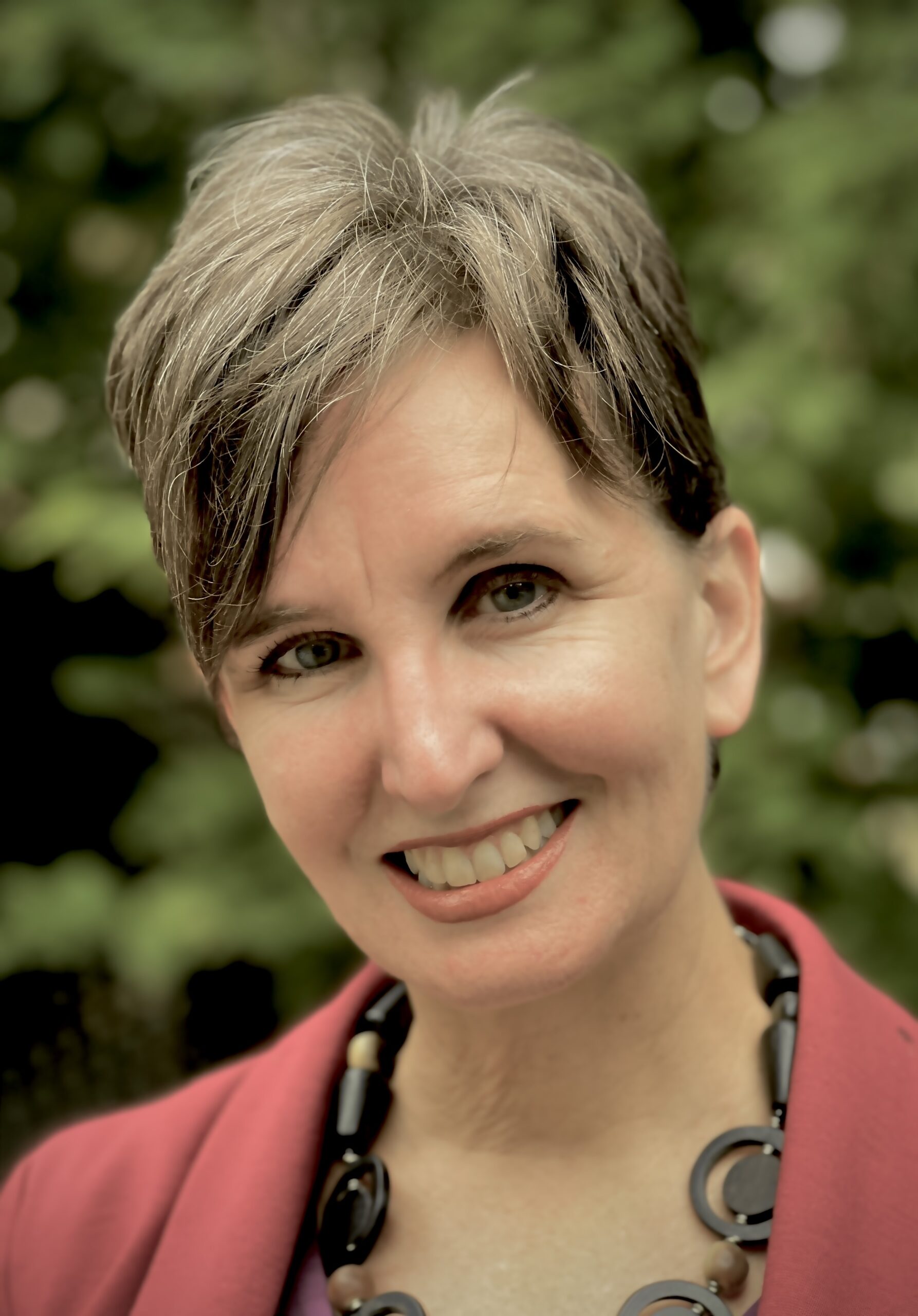
The following is a guest blog by Maury Mendenhall, MSW, a child protection and HIV specialist with more than 25 years of global experience. A former USAID Senior Technical Advisor, she now co-leads A Crisis in Care, supporting local organizations to sustain HIV services for vulnerable children and families worldwide. For more about Mendenhall and her work to save children affected by HIV/AIDS, tune in to our December 10 episode of Speaking of Kids.
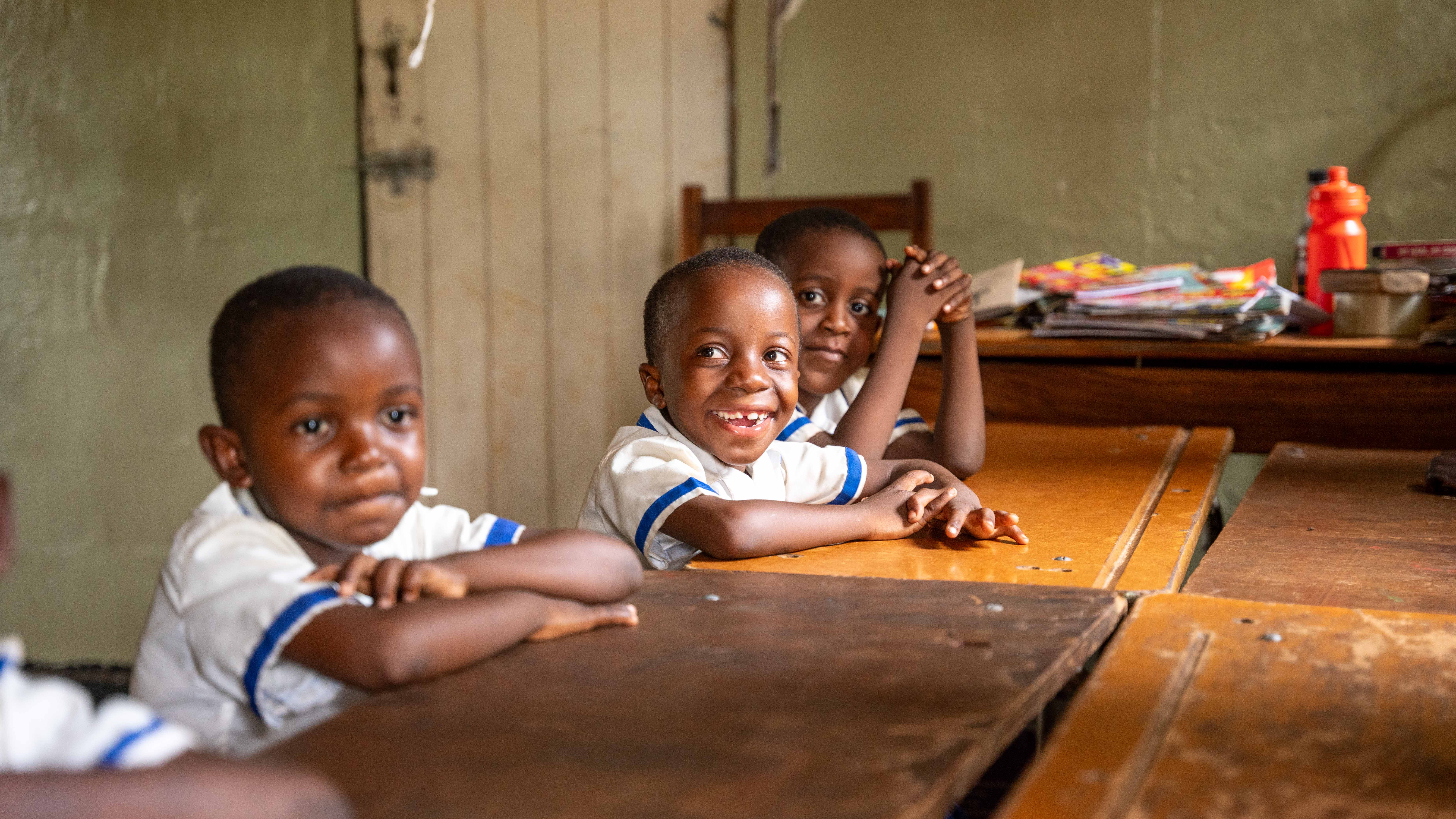
December 1st is World AIDS Day — a day to honor those we have lost, celebrate the progress made, and recommit to a fight that is far from over. For me, World AIDS Day is deeply personal. My journey supporting children orphaned and made vulnerable by HIV/AIDS began more than 25 years ago in Zimbabwe. I cannot think of this day without remembering the children who shaped my life and inspired the work I continue to fight for now.
In 1998, at 23 years old, I returned to Zimbabwe after spending time there three years earlier as an exchange student. I fell in love with the children living and working on the streets in Harare, especially a small group of boys I met in a park every afternoon: Olbert, Tendai, Freedom, and a handful of others. I brought them paper, crayons, Coca-Cola, and bread, and asked them to tell me their stories. They taught me about resilience and resourcefulness — the sheer determination required to survive a childhood stolen by poverty, HIV, and loss. Some had lost parents to AIDS. Others lived with elderly grandparents caring for many children. Some had no stable home at all.
By the time I became a Street Children Service Specialist with the Presbytery of Zimbabwe Committee for Children at Risk, the epidemic had taken a devastating toll. UNAIDS, the joint United Nations program on HIV/AIDS, estimates that by December 2000, nearly 22 million people had died of AIDS, and 36 million were living with HIV. In Zimbabwe, treatment was scarce, testing inaccessible, and stigma widespread. HIV was everywhere, but invisible. We saw its consequences daily: children on the streets, hollowed-out communities, and families stretched far beyond their limits.
One child I remember clearly was no more than 8 years old. He came to our street school with a chronic cough and swollen lymph nodes — clear signs of advanced illness. I suspected HIV, but testing wasn’t available and treatment was unaffordable. All I could do was make sure he had food and care to get through that day. It was a painful reminder that HIV is not just a medical crisis — it’s a social and economic one.
This truth shaped everything I came to believe about global health: you cannot treat HIV without supporting the families and systems around the child. Early publications such as Children on the Brink made this clear. HIV orphanhood devastates households, disrupts communities, and demands a holistic response — strengthening families, protecting inheritance rights, supporting livelihoods, and developing safe community-based care. I saw these realities unfold in real time in the lives of the children I served.
Fast forward to 2003, when President George W. Bush launched the President’s Emergency Plan for AIDS Relief (PEPFAR) and allocated 10% of funding specifically for orphans and vulnerable children (OVC). For those of us in the field, it was nothing short of revolutionary. For the first time, we had dedicated resources to provide education, psychosocial care, economic support, and safe family-based care for children living with or affected by HIV. Faith leaders, policymakers, and global advocates recognized that investing in children was essential to preventing a generational catastrophe.
By 2009, when I joined the United States Agency for International Development (USAID) as a Senior Advisor for Children Orphaned and Made Vulnerable by HIV/AIDS, my work spanned countries, programs, and systems. Our goal was simple but ambitious: ensure children had safe families, access to school, supportive caregivers, and pathways to health and stability. I helped launch efforts like the Global Social Service Workforce Alliance, connecting social workers and case managers across continents. We worked closely with ministries of social welfare — often ministries with very long names and very limited funding — to develop national plans, strengthen budgets, introduce electronic case management systems, and support a growing workforce trained to help families develop and achieve goals for their children.
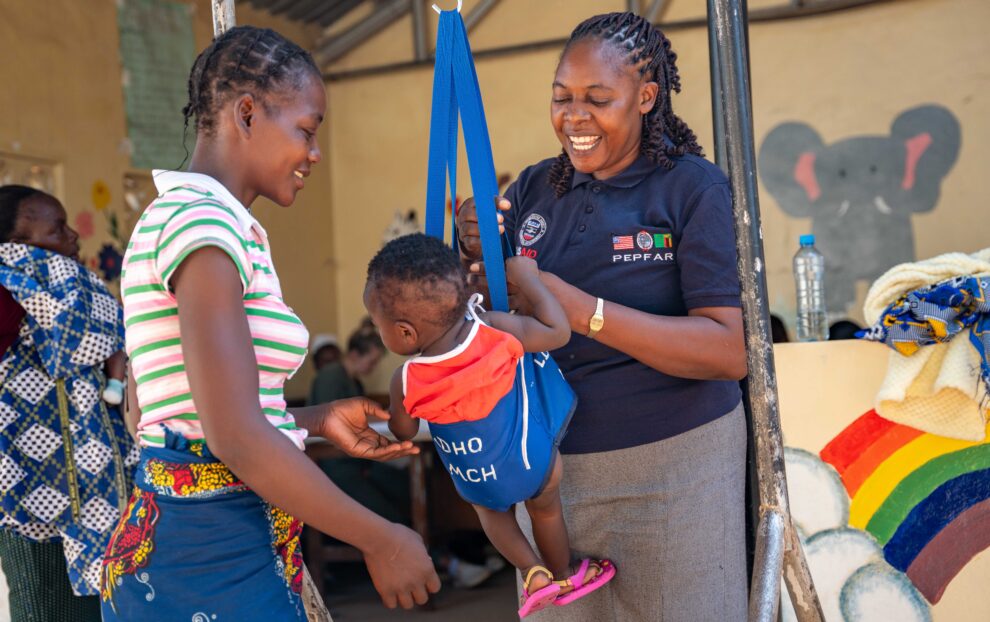
These efforts made a real, measurable difference. By 2024, PEPFAR’s Orphans and Vulnerable Children programs were reaching 6.6 million children and caregivers every year. Children who once lived without stability were now growing up in safe families, consistently attending school, eating regular meals, staying on HIV treatment, and receiving the psychosocial support needed to heal and thrive. Families were becoming more resilient, and communities were stronger.
And perhaps the most remarkable progress was happening behind the scenes—within national systems themselves. Many countries were finally building the structures needed to sustain this work long after donor funding ended. For example, in several countries, social welfare ministries negotiated formal agreements between health facilities and community-based partners so families didn’t fall through the cracks. Social service workers were placed directly inside HIV clinics to support case management, ensure children were linked to treatment, and follow up at home when a caregiver struggled. These kinds of partnerships — once unimaginable — were becoming routine.
We were closer than ever to seeing national systems able to carry this work forward on their own. In fact, several countries were just years away from full sustainability.
Then, in 2025, everything changed.
The termination of 83% of USAID’s foreign aid programs — including nearly all children orphaned and made vulnerable by HIV/AIDS mechanisms — shattered decades of progress. Almost immediately, families began calling former USAID-funded local partners in desperation:
“We don’t have enough food for our children to take their medication.”
“I can’t pay my son’s school fees — now he’s working on the streets.”
“I don’t have bus fare to pick up my medication.”
“My baby has a fever, and I’m afraid I won’t reach the clinic in time to save him.”
Our partners told us these weren’t one-off situations. There was a huge wave of fear and uncertainty. Families were suddenly desperate because the support they’d relied on just disappeared overnight.
In response, a small group of former USAID colleagues and I reached out to friends, family, and foundations in the U.S. We launched the Crisis in Care Campaign to support local partners left caring for children without the capacity or funding to continue. Nearly $100,000 has been raised through the nonprofit crowdfunding platform GlobalGiving. We have also connected four local partners to foundations that have provided more than $3 million in funding. These resources allowed local organizations to rehire social workers and case managers and keep children connected to HIV treatment, education, nutrition, and safety.
But let’s be honest: we cannot do this forever. The Trump Administration’s termination of staff and mechanisms supporting orphans and vulnerable children — under the claim that programs were not “lifesaving” — revealed how vulnerable this work has always been. Yet anyone who has worked with children affected by HIV/AIDS knows the truth: keeping a child healthy, safe, schooled, and stable is lifesaving. It always has been.
The U.S. government must remember the power and impact of the 10% Orphans and Vulnerable Children earmark. It transformed lives. It strengthened families. It built systems that worked. Its abrupt termination put countless children at risk. We cannot let history repeat itself. As global health professionals, advocates, donors, and citizens, we must demand that the United States recommit to the children who have already borne the heaviest weight of the HIV/AIDS epidemic.
This World AIDS Day, we cannot forget: HIV is not over. Children are still suffering, and what we choose to do — or not do — still determines whether they survive. Every action matters. Whether it’s donating to a local non-governmental organization (NGO), mentoring a frontline caseworker, or raising your voice for policy change, each contribution can keep a child alive, healthy, and in school.
And when children survive and thrive, entire communities grow stronger. Families become more stable, local economies strengthen, and nations move closer to self-reliance. These outcomes reflect core American values: compassion, opportunity, and helping others build the tools to stand on their own.
The story of these children — children like Olbert and Freedom, children living with grandparents or on the streets, children whose lives were transformed through HIV treatment, education, and support — is a story of resilience and hope, but also of urgent need. This December 1st, we must recommit ourselves: to protect what has been built, prevent a regression, and ensure that children affected by HIV/AIDS never face abandonment, hunger, or lack of care again.
We cannot go back to where we started. The world has seen what is possible. We cannot allow lack of attention — or lack of funding — to erase decades of progress.
Let’s continue to honor, protect, and fight for the children who deserve nothing less.